Kling 3.0 & Hailuo 3.0 Released: How Native Audio & Multi-Shot Video Change AI Production
Table of Contents
- The August 2026 Wave: Native Audio and Multi-Shot Control
- Solving Character Morphing with Keyframing and Multi-Shot Continuity
- Single-Purpose Models vs. All-in-One Creation Suites
- Step-by-Step Prompting Strategies for Audio-Synced Video
- Best Practices for Custom Voice Cloning and Audio Workflow
- Conclusion
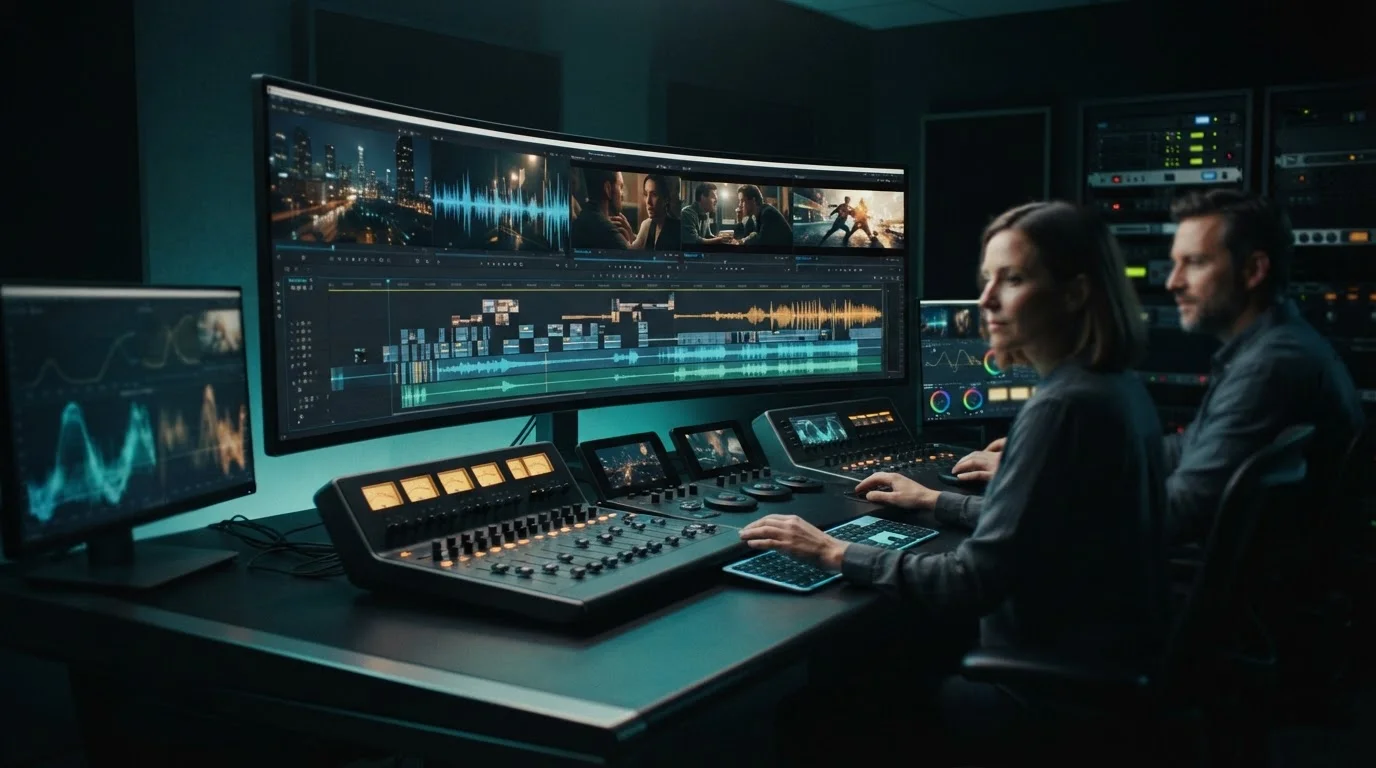
Generative video reached a massive turning point in early August 2026. The launch of the Kling 3.0 AI Video generator alongside Hailuo 3.0 via API has rewritten the rulebook for digital creators. For months, we had to generate silent video clips, render separate lip-synced audio on external tools, and pray that our characters didn't morph between cuts. These new releases change everything. We can now generate 15-second 2K and 4K video clips complete with synchronized dialogue, ambient sound, and multi-shot cinematic cuts in a single pass.
The August 2026 Wave: Native Audio and Multi-Shot Control
The flagship innovation in generative video models 2026 is native audiovisual generation. Models no longer treat sound as an afterthought or a secondary post-processing step. When you prompt Kling 3.0 or Hailuo 3.0 (officially MiniMax H3), the neural network constructs visual frames and stereo audio tracks in the same unified diffusion pass.
Kling 3.0 features built-in multi-shot cinematic logic. Instead of generating a single static camera angle, the model functions as an automated director. It plans shot-reverse-shot dialogue sequences, cross-cuts, and camera transitions across up to 15 seconds. Meanwhile, Hailuo 3.0 supports multi-reference inputs across 9 images, 3 video clips, and 3 audio clips, delivering native 2K stereo sound with spatial room tone and natural lip sync.
Here is how these two heavyweights stack up on paper:
| Feature | Kling 3.0 | Hailuo 3.0 (MiniMax H3) |
|---|---|---|
| Max Resolution | 4K (60 fps) | 2K (1440p / 24 fps) |
| Native Audio | Synchronized dialogue, 5 languages | Native stereo audio, ambient sound |
| Multi-Shot Logic | Native AI director (up to 6 cuts) | Multi-reference sequence generation |
| Reference Capacity | Image, video, and character references | 9 images, 3 videos, 3 audio clips |
| Max Output Duration | 15 seconds continuous | 15 seconds continuous |
Solving Character Morphing with Keyframing and Multi-Shot Continuity
One of the biggest headaches in video creation has always been character morphing. In earlier models, panning the camera or switching angles meant your protagonist's facial structure, clothing, or hair color would drift out of recognition.
The latest multi-shot AI video architectures eliminate this flaw through enhanced element persistence and dual start/end frame keyframing. By anchoring both the opening frame and the closing frame, you force the model to calculate smooth, continuous motion across the entire sequence. Kling 3.0 locks core subject traits using multi-image character references, ensuring your character maintains identity whether they are walking through rain or turning to face a new camera angle.
Single-Purpose Models vs. All-in-One Creation Suites
Raw API access to standalone video models is impressive, but juggling individual web interfaces or code endpoints gets tedious fast. Running a multi-shot AI video campaign usually requires initial image generation, character modeling, voice synthesis, audio mixing, and frame editing.
That is why creators rely on integrated platforms. Utilizing an all-in-one AI video generator inside a unified platform lets you connect text-to-image preparation directly to model generation without leaving your workspace. Rather than hopping between separate tabs for audio design, video generation, and image polish, a unified platform like the MagicEditAI video pipeline streamlines media production. It provides instant access to image tools, voice synthesis, and multi-model video rendering under one subscription.
Step-by-Step Prompting Strategies for Audio-Synced Video
To get consistent results from an AI video generator with audio, your prompt structure must guide both visual direction and acoustic timing. Vague prompts lead to mismatched sound effects or awkward lip movements.
Here is a proven 4-step prompt formula:
- Shot Structure & Camera Movement: Specify shot type (such as a medium close-up or panning tracking shot) and scene transitions.
- Visual Environment & Action: Describe character actions, lighting, and ambient details.
- Dialogue & Acoustic Cues: Put spoken lines in quotes and explicitly state room acoustics (for instance, "echoing stone hallway" or "muffled outdoor rain").
- Temporal Markers: Use second-by-second timestamps to trigger action changes.
For example, when using Kling 3.0 AI Video generation:
"[0-4s] Medium shot of a detective standing in a rain-slicked alleyway at twilight. He turns toward the camera and says, 'We don't have much time.' Soft rain hitting asphalt in background. [4-8s] Reverse angle over detective's shoulder showing a neon-lit doorway opening with a metallic click."
Notice how specifying both physical acoustics and dialogue cues ensures the model syncs speech and sound effects naturally. For deeper prompt recipes and timing breakdowns, check out our guide on audio-synced video workflows.
Best Practices for Custom Voice Cloning and Audio Workflow
While built-in speech in Kling 3.0 and Hailuo 3.0 handles standard prompts remarkably well, commercial projects often demand hyper-specific brand voices or unique accents. In those cases, pairing model video generation with custom AI voice synthesis video workflows delivers total artistic control.
When combining reference audio with video models, follow these three rules: - Clean Source Audio: Upload voice references with zero background noise. This prevents the model from turning ambient static into visual artifacts. - Match Cadence to Action: Ensure spoken sentence lengths match the duration of character mouth movements in your reference frames. - Layer Ambient Sound: Use native audio generation for background environmental effects, then overlay your custom voice clone for primary dialogue tracks.
You can read the official documentation on Kling AI to see how multi-character reference audio mapping operates behind the scenes.
Conclusion
The release of Kling 3.0 AI Video and Hailuo 3.0 marks a massive leap forward for digital artists and marketing teams alike. By bringing native audio, automated camera direction, and character consistency into a single generation pass, these models dramatically reduce production time. Whether you are creating short-form ads, cinematic trailers, or storytelling content, the friction between initial idea and final clip has never been lower.
Ready to upgrade your content creation? Try the free trial on MagicEditAI to create your first edited image or AI-generated video today!

 MagicEdit